

Content

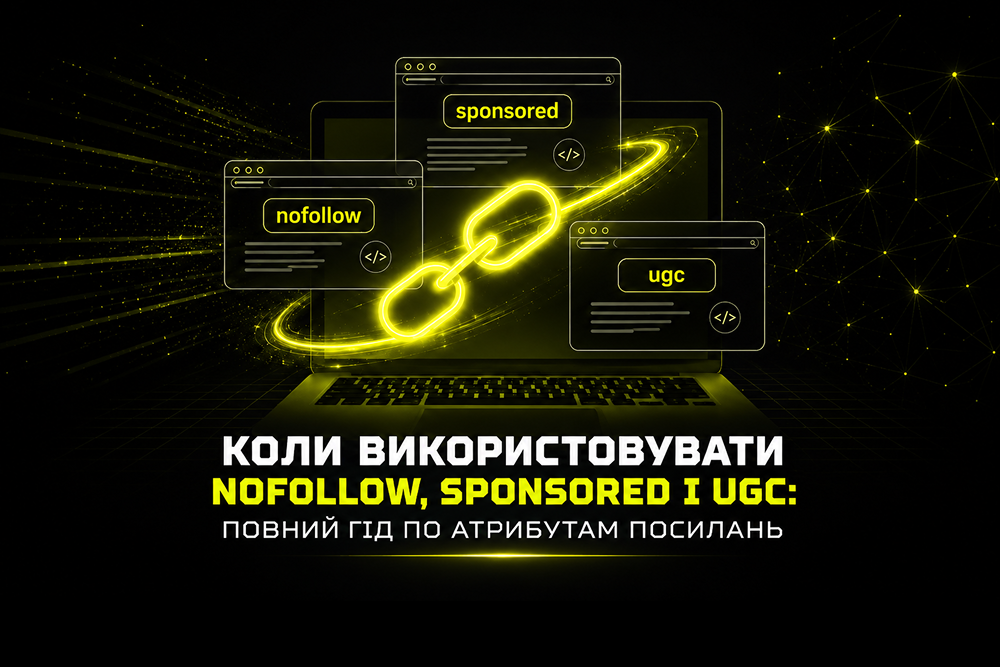
Link attributes seem like a minor technical detail until a website accumulates ad placements, comments, partner integrations, and editorial mentions within a single content stream. This is where the confusion begins: what to mark with nofollow, where sponsored is needed, and where ugc is more logical. Google added separate sponsored and ugc values back in 2019, and since 2020, it has treated all three attributes as hints for link analysis. Therefore, correct labeling is already part of basic SEO hygiene, not just a technical trifle.
Links help search engines find pages, understand connections between documents, and assess the nature of a recommendation. For Google, it's important whether a link is an editorial reference, an ad placement, or a URL added by a user.
In older SEO practices, `rel nofollow` was often applied almost everywhere. Today, the logic is more precise: each link type should be marked according to its origin, not out of habit.
A regular editorial link can act as a signal of trust. However, if a link is promotional in nature or comes from user-generated content, Google advises marking it separately using `rel` values.
A link in an article, a banner in partner content, and a URL in a user comment carry different weight in the eyes of a search engine. This is precisely why using the same markup for all cases makes the signal structure less transparent.
Sponsored is suitable for paid mentions, ugc for user-generated content, and nofollow remains appropriate where the editorial team doesn't want to pass a trust signal to the target page. This distinction makes the outbound link profile cleaner and easier to understand during an audit.
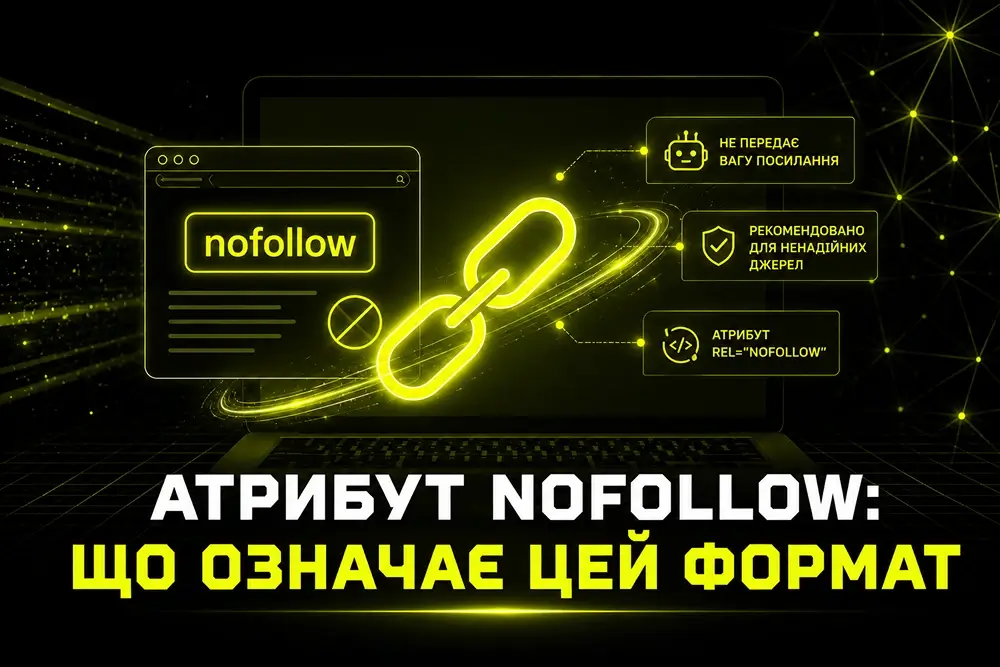
The nofollow attribute signals that a link should not be treated as an editorial recommendation in the classic sense. For Google, it's no longer a strict prohibition but a hint that the algorithm considers along with other signals.
Today, nofollow is useful where you need to carefully disclaim some editorial responsibility for an external resource. It also remains an acceptable option for some paid links, although sponsored is now the priority for those.
Most often, this attribute is appropriate in several practical situations:
This approach helps maintain the logic of the link profile without excessive spamming of identical `rel` values.
The query "a href nofollow" is often searched when a ready-made HTML example is needed. The basic version looks like this:
<a href="https://example.com" rel="nofollow">Useful source</a>
In technical discussions, the abbreviation "a rel nofollow" is also encountered, although it essentially refers to the same `<a>` tag with a correctly added `rel` value. In code reviews, `rel=nofollow` is sometimes written as a brief note indicating that the link has already been marked.
Yes, but no longer in the old, simplified understanding. If a page needs to be removed from the index, you should use `noindex`, not rely on `nofollow` for this task.
The abbreviation "a nofollow" often lives in work chats as a task name, but in real SEO practice, what matters is not the label, but a precise understanding of the role of each outbound link. This is especially noticeable on websites with a blog, forum, and advertising special projects simultaneously.
When a link appears due to payment, barter, affiliate terms, or other benefits, Google recommends marking it with `sponsored`. For paid integrations, nofollow still remains an acceptable fallback option, but sponsored provides a more precise signal to the search engine.
In old CMS templates, you might still see the text `rel= nofollow` in technical specifications or audit tables. However, for new advertising materials, it's better to immediately implement precise `sponsored` markup at the template level.

This includes paid articles, PR placements, affiliate selections, barter integrations, and partner reviews. In all these cases, it's important to immediately indicate the commercial nature of the link to maintain signal transparency.
Native advertising often looks like regular editorial content, which is why errors occur most frequently here. A simple template helps the team avoid confusion:
<a href="https://partner.example" rel="sponsored">Partner material</a>
A single stable template in the CMS saves team time and reduces the risk of accidental unmarked placements.
It's convenient to check advertising links in the following order:
Such a check takes a few minutes but works well in the long run. Google explicitly warns that manipulative link practices violate spam policies, and SpamBrain detected 5 times more spam sites in 2022 than in 2021.
UGC refers to links in content created by users themselves: in comments, reviews, forums, profiles, and Q&A blocks. For such areas, Google recommends `ugc` because it clearly explains the origin of the link.
The logic here is simple: the team is responsible for its recommendations, and users are responsible for their contributions. This is why websites with active communities should pay particular attention to link labeling and moderation.
In 2020, Google reported detecting 40 billion spam pages daily. Against this backdrop, comments and forums without clear moderation rules quickly become a risk zone.
For such sections, the following applications of `ugc` are most often suitable:
When such markup is set by default, the team spends less time manually cleaning up link spam.
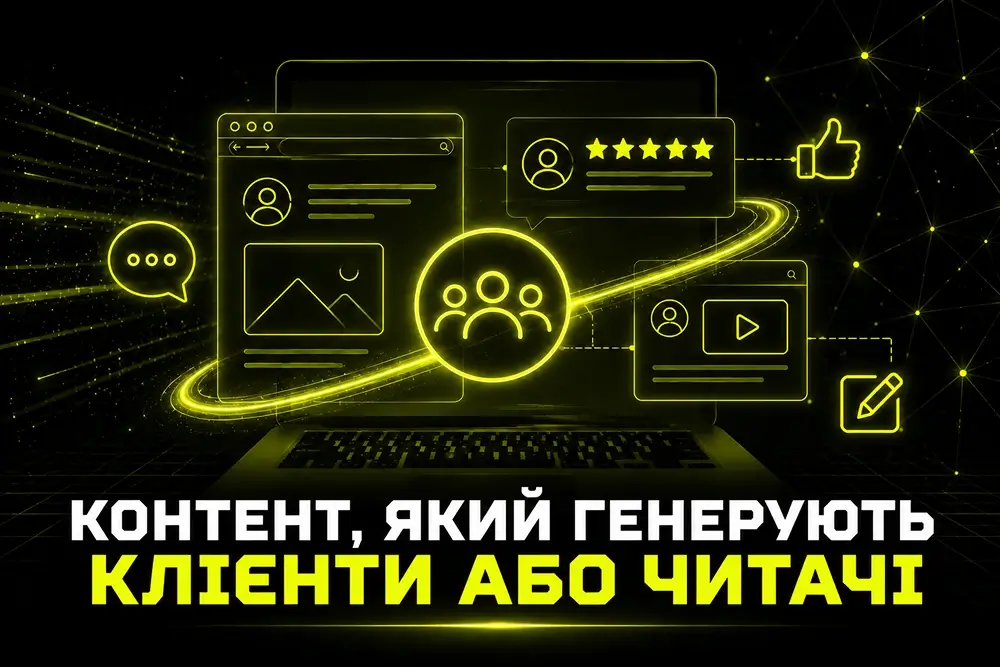
UGC is useful not only in comments. It works well in Q&A sections, marketplaces, user profiles, and any forms where people add text and links themselves.
If the editorial team added a link after verification and consciously recommends a resource, `ugc` already seems like a weak solution. However, if a visitor inserted the URL without editorial approval, `ugc` provides the clearest explanation of the link's nature.
The best working approach is to tie the attribute to the link's appearance scenario. In editorial checklists, it's convenient to check `rel nofollow` along with `sponsored` and `ugc`, but the decision should still be made based on the content type.
Below is a quick cheat sheet to simplify decision-making in the team's daily work:
This scheme is based on Google's current recommendations for qualifying outbound links.
If the editorial team genuinely recommends a resource and is confident in it, an additional `rel` is often not needed. When a source is mentioned more as a reference than a recommendation, `nofollow` would be appropriate.
The rule here is simple: if there's a commercial benefit, use `sponsored`. This reduces risks, simplifies auditing, and makes the website's content model cleaner for the SEO team.
For such areas, `ugc` will be the basic solution. If a website has accumulated many old articles, comments, and partner materials, a gentle next step would be an SEO audit of links and markup templates – this helps quickly identify chaotic `rel` attributes, moderation weaknesses, and growth opportunities without radical overhauls.
Proper use of link attributes isn't about technical trifles, but about transparent SEO logic, correct labeling, and reducing risks from search engines. When nofollow, sponsored, and ugc are applied appropriately, a website gains a cleaner link profile and clearer signals for Google. For external links to build trust, visibility, and improve rankings, the Locomotive Digital team, as part of its service SEO will help build a secure system for working with links and content that will strengthen your project against competitors.
AI website audit
Enter your website address and get results instantly.

Request a free audit — our expert will prepare a personalized action plan.
Your data is securely protected