


Content

How to build an effective LinkedIn sales funnel for B2B. A step-by-step strategy from expert Dmitry Suslov: content, trust, dialogue and customer conversion.
Author — Dmitry Suslov — founder and CEO Addlium, B2B marketing agencies, and Social Selling, which helps Ukrainian and international companies scale through LinkedIn.
Until a few years ago, most B2B companies built sales through dating, cold writing, or recommendations. Today, a significant part of these processes has gone online, and LinkedIn has become one of the key tools for professional communication.
This is where company executives, marketing directors, and entrepreneurs interact with professional content, follow market experts and form a first impression of potential partners.
However, many companies expect quick results when they join LinkedIn. They start publishing posts, sharing news or case studies, but after a while they notice that there are almost no real requests for cooperation.
The reason is not the platform's algorithms or that the content doesn't work. The fact is that LinkedIn operates according to a different logic.
In B2B, this network does not work as a direct sales channel, but as a funnel of professional trust. People gradually get to know the expert, observe his opinion about the market, evaluate his experience — and only then are they ready to discuss cooperation.
Most marketing channels operate according to a fairly straightforward logic: a company launches ads, generates leads, and converts them into sales.
LinkedIn works differently.
People's expertise plays a key role here, not advertising campaigns. Potential customers don't get to know the brand so much as they get to know specific experts — executives, founders, consultants, or industry experts.
Therefore, before a commercial conversation, a different process takes place:
LinkedIn's sales funnel reflects this logic.
A LinkedIn funnel is a system of interaction with potential customers that gradually moves them from brand acquaintance to commercial dialogue.
Unlike a classic marketing funnel, the personal brand of the company's experts plays a key role on LinkedIn.
A typical situation looks like this: a company starts actively working on LinkedIn, publishes news, sometimes shares information about its products, but there are no expected results.
The problem is that this approach does not take into account the specifics of B2B communication.
In most industries, the decision to cooperate takes a long time. CEOs, marketing directors, or business owners aren't ready to work with people they see for the first time.
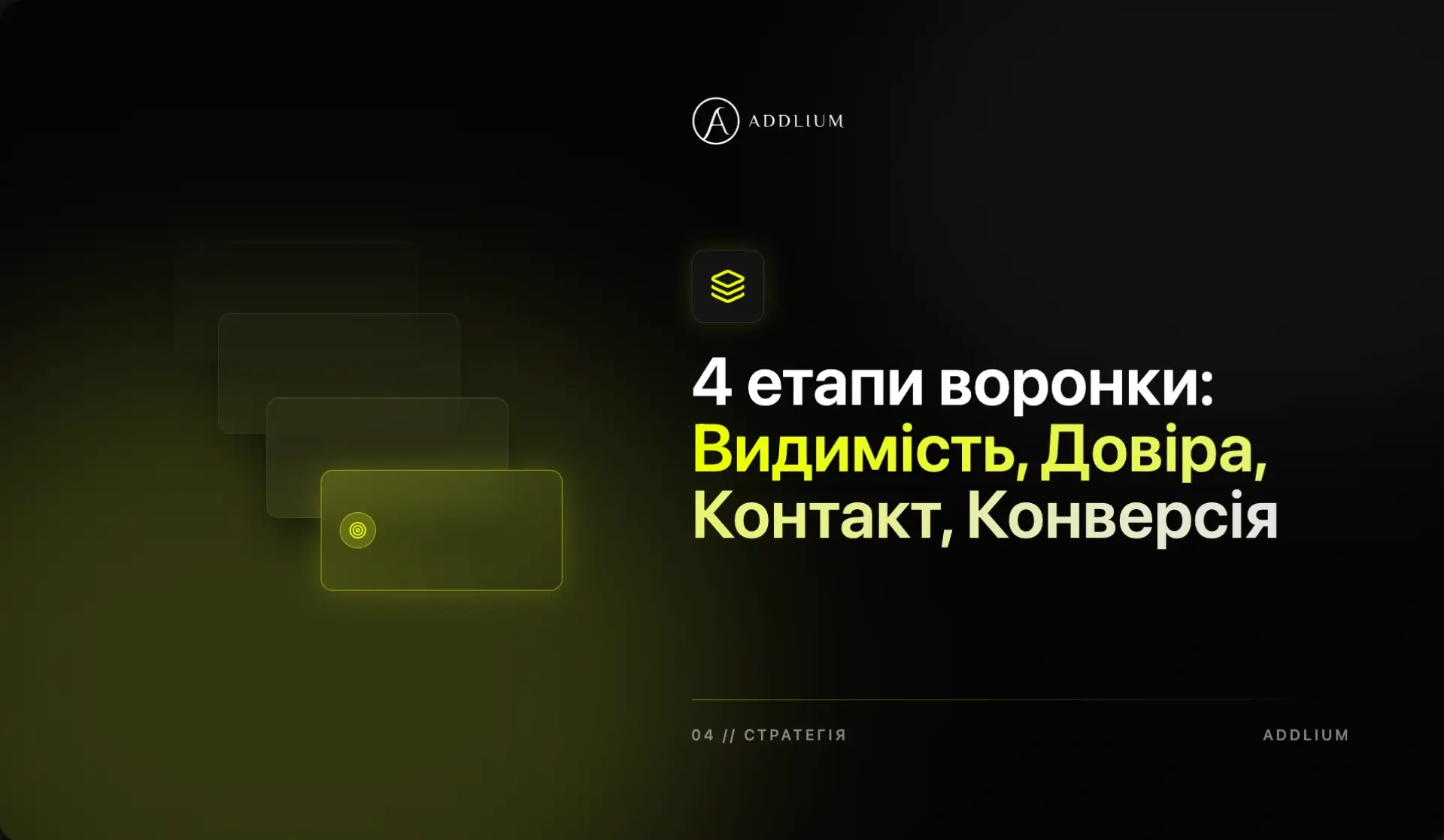
If we summarize the experience of working with B2B companies, an effective model consists of four stages:
For LinkedIn to go live, potential customers must see the CEO or line manager on their feed on a regular basis. Otherwise, they simply won't be able to get an idea of it.
This visibility is generated through several types of activity:
Over time, the so-called familiarity effect occurs. The person has not yet talked to the manager in person, but he already feels that he knows his approach to the market
As soon as the profile becomes visible, the second stage begins — building trust.
In B2B, customers almost always value three things:
That's why the most effective content on LinkedIn is content that demonstrates real market experience.
This kind of content doesn't just inform. It allows a potential client to understand how the manager thinks and how he approaches problem solving.
After a while of observation, potential customers begin to take their first steps.
These can be very simple steps:
At this stage, a mistake is often made: the company tries to start selling right away.
However, LinkedIn works on a different logic. It is much more effective to start a regular professional conversation here: discuss the market, ask about the business context, and share your own experience.
This is how a high-quality business dialogue is formed, rather than a cold offer.
It's important to understand that these stages rarely happen quickly. In B2B, sometimes months of interaction with content pass between first meeting and first call.
If the previous steps work correctly, the conversation arises quite naturally, because the client is already familiar with the CEO, has read his posts, and understands his approach to work
Therefore, instead of cold selling, a different situation arises: the customer initiates the discussion himself.
Even when they understand the platform's logic, many companies repeat the same mistakes.
Most often these are: irregular content, an excessive number of advertising posts, attempts to sell in the first message, focus only on the corporate page.
In practice, the best results are provided by the activity of the company's real experts, not just brand accounts.
In B2B sales, decisions are rarely made spontaneously. Companies choose partners they trust and whose competence has already been assessed. That is why LinkedIn has gradually evolved from a simple platform for professional networking to an environment where this trust is built.
Effective sales here don't start with a commercial offer. They start with visibility, continue with expert content, and only eventually turn into a professional dialogue. Companies that consistently work through these stages gain much more than just reach or reactions to posts over time. They form a stable presence in the market, where potential customers come not through cold selling, but through trust in expertise. It is at this point that LinkedIn ceases to be just a social network and becomes a full-fledged channel for attracting B2B customers.
AI website audit
Enter your website address and get results instantly.

Request a free audit — our expert will prepare a personalized action plan.
Your data is securely protected